
Centrifugal Pump
Centrifugal Pump Selection: 16 Sub-Families Explained
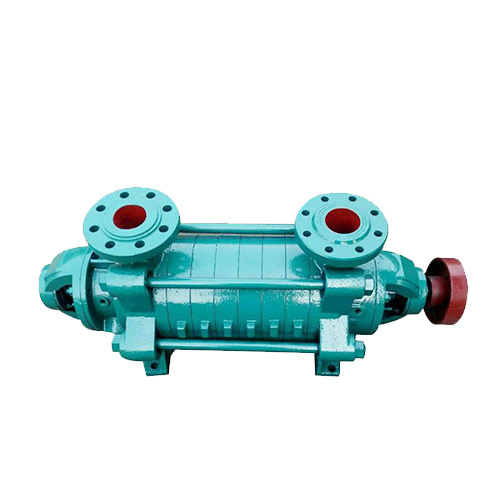
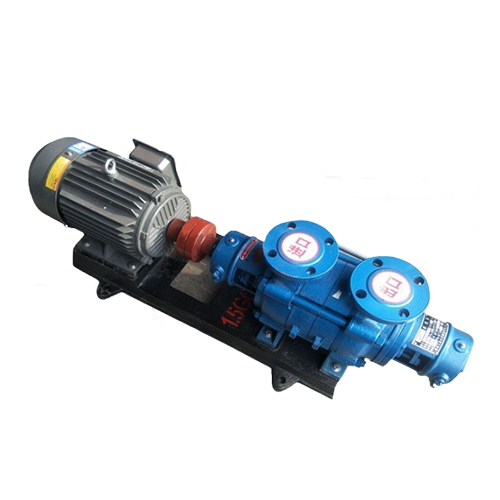
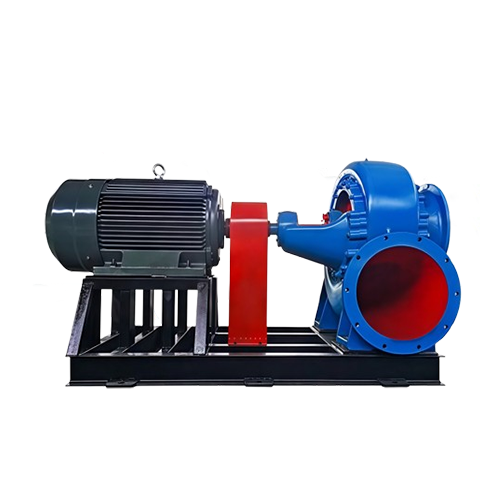
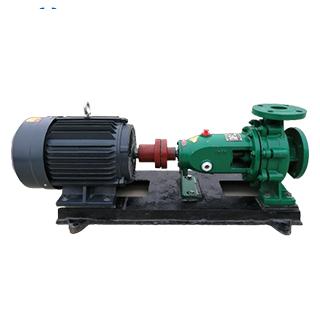
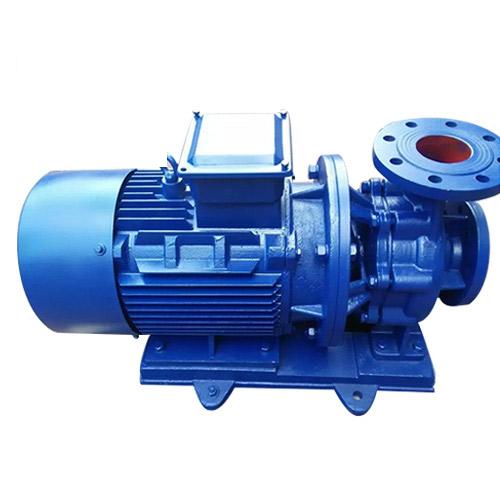
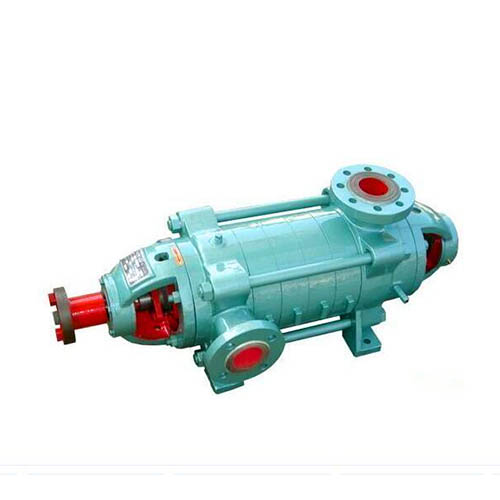
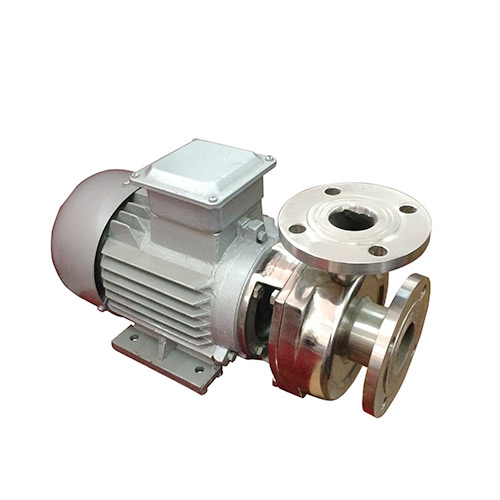
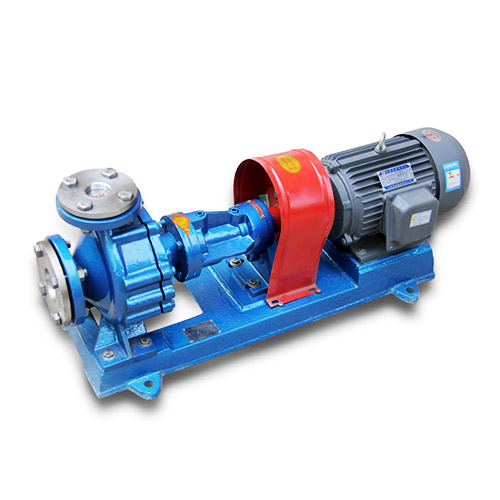
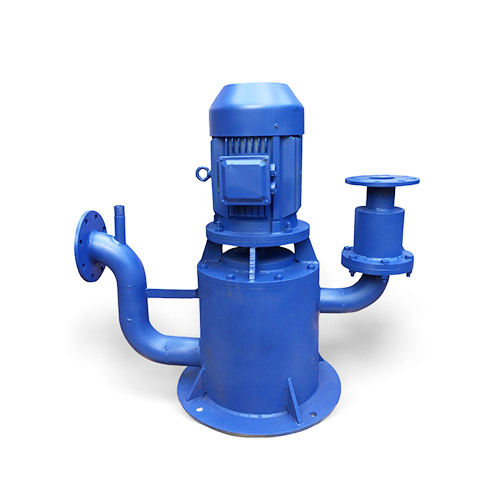
A centrifugal pump moves liquid by converting the rotational energy of an impeller into pressure, which makes it the default choice for clean or lightly contaminated fluids at low viscosity. Because that brief covers a very wide range of duties, Qingdao Green Power builds 16 sub-families under one range, each aimed at a specific service — from water boosting and sewage handling through to high-head boiler feed and oil transfer.
Sub-family overview
- IS — end-suction centrifugal pump for general water supply and transfer.
- ISW — horizontal inline centrifugal pump for circulating loops where floor space is limited.
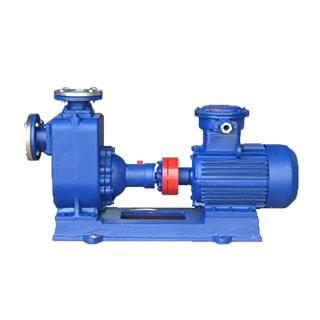
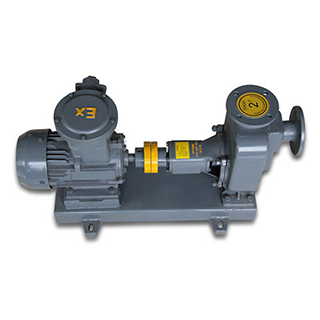
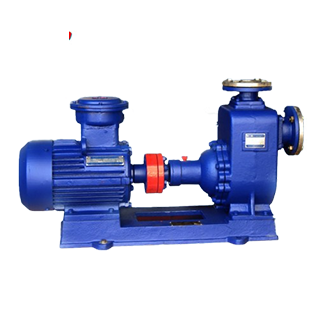
- ZX — self-priming centrifugal pump that lifts liquid without a foot valve.
- ZW — self-priming wastewater pump for dirty water and light solids.
- CYZ — self-priming fuel and oil pump for transfer duty.
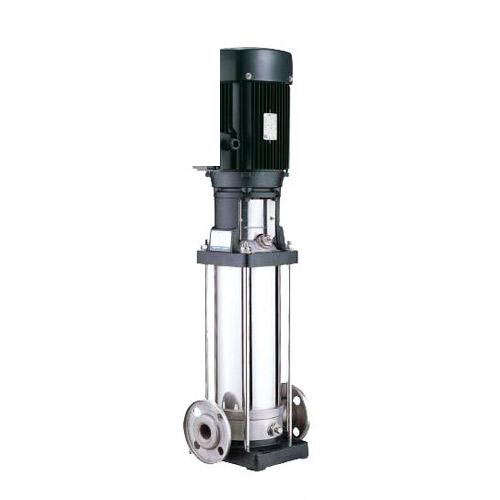
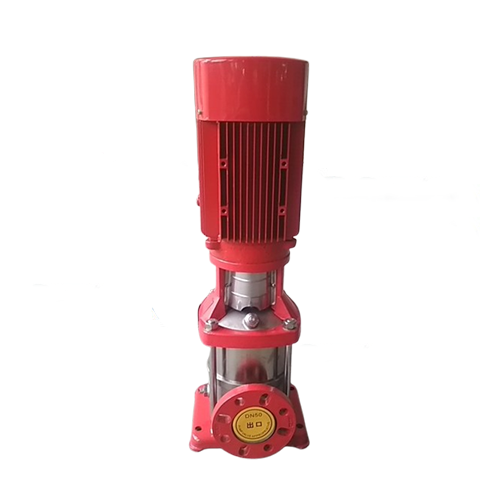
- CDL / CDLF — vertical multistage centrifugal pumps for high-head boosting.
- D — high-head centrifugal pump for long-distance or high-lift duty.
- DG — multistage hot water pump for heating systems.
- GC — multistage boiler feed water pump.
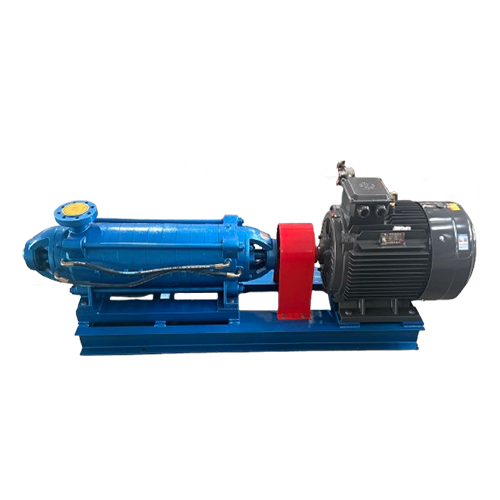
- MD — horizontal multistage centrifugal pump.
- HW — horizontal mixed flow pump for large-volume, low-head circulation.
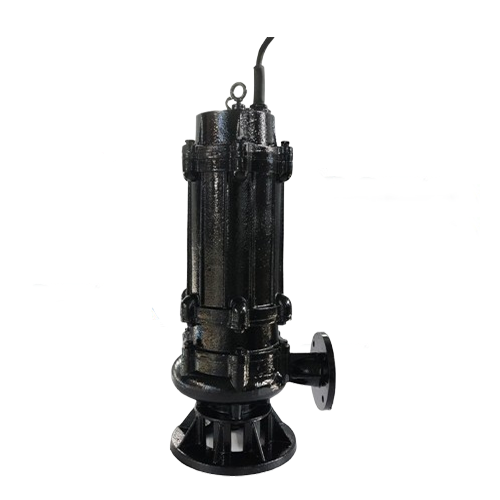
- WQ — submersible sewage pump for sumps and wet wells.
- SFB — corrosion-resistant centrifugal pump for mildly aggressive liquids.
- TSB — grease decolorization pump for edible oil refining.
- WFB — self-priming pump for clean water duty without a priming system.
Performance range
Across the range the published flow envelope is 1.5–1600 m³/h with head from 2 m to 125 m. Individual sub-families sit inside that envelope rather than spanning it: multistage CDL and CDLF units cover high-head, low-flow duties, while the mixed flow HW design handles large volumes at low head. Selection should start from the duty point, not from a series name.
Typical applications
- Water supply and pressure boosting
- Wastewater transfer and sewage handling
- Boiler feed and hot water circulation
- Fuel and oil transfer
- HVAC and district heating loops
- General industrial process water
How to specify a centrifugal pump
Four inputs are enough to start sizing: the flow you need, the head the system requires, the liquid and its temperature, and the installation arrangement (dry, inline, submersible or self-priming). If the liquid is more viscous than water, say so early — centrifugal efficiency falls quickly as viscosity rises, and a positive displacement pump such as a screw or lobe unit becomes the better answer.
Frequently asked questions
How many series are in the centrifugal pump range?
Sixteen sub-families: IS, ISW, ZX, ZW, CYZ, CDL, CDLF, D, DG, GC, MD, HW, WQ, SFB, TSB and WFB.
What flow and head does the range cover?
Published flow is 1.5–1600 m³/h with head from 2 m to 125 m, depending on the sub-family selected.
Can a centrifugal pump handle viscous liquid?
Only to a limited degree. Centrifugal performance depends on impeller velocity, so efficiency falls as viscosity rises. For thick media a screw, gear or lobe pump is the more suitable choice.
Technical selection & RFQ
Request a Quote for Centrifugal Pump
Looking for a Centrifugal Pump supplier for an industrial project? Share the operating conditions below so our team can review the duty, recommend a suitable configuration and prepare a quotation. Final model selection and performance should be confirmed against your actual process conditions and the applicable product data.
Information to include in your inquiry
- Duty point: Required flow rate and total head / discharge pressure; include the operating point if known
- Pumped medium: Fluid name, concentration, viscosity, density, solids content and corrosiveness
- Operating conditions: Normal and maximum temperature, inlet pressure, suction lift and duty cycle
- Materials & sealing: Preferred wetted materials, seal type and any leakage or hygiene requirements
- Motor & installation: Voltage, frequency, phase, hazardous-area requirements if applicable, and mounting / connection details
Not all details are available yet? Send the information you have, your datasheet or a process description. We can identify the missing selection data before confirming a model.