
Vacuum Pump
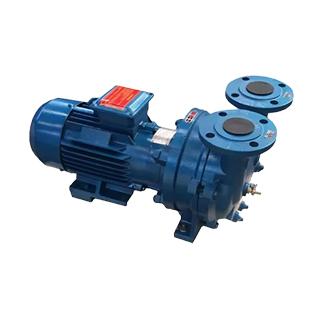
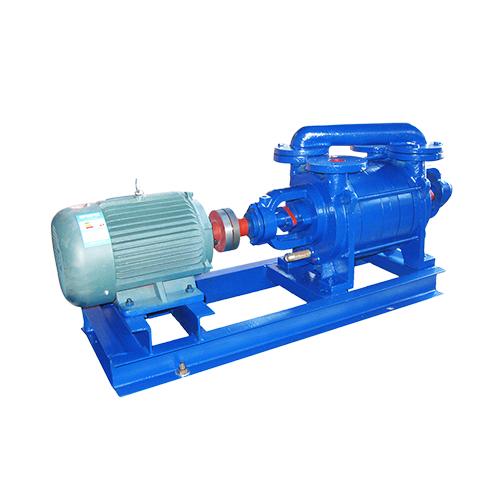
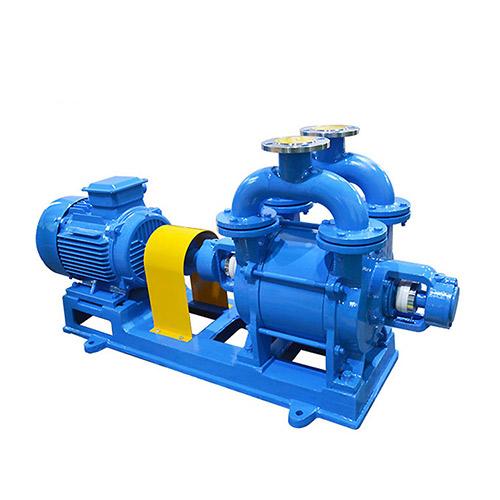
Liquid Ring Vacuum Pump Range
Liquid ring vacuum pumps generate vacuum by spinning a liquid seal inside an eccentric casing. Because the working fluid absorbs heat and condenses vapours, this design tolerates wet gas streams, condensable vapours and carry-over that would damage a dry-running machine. The range covers four series for industrial vacuum generation, wet gas extraction and degassing.
Series overview
- 2BV2 — liquid ring vacuum pump.
- 2BV5 — liquid ring vacuum pump.
- 2SK — two-stage water ring vacuum pump for deeper vacuum.
- SK — liquid ring vacuum pump.
Published performance range
The 2BV range is published with an ultimate vacuum of 0.097 MPa, maximum flow of 0.45–8.33 m³/min and motor power from 0.81 kW to 15 kW.
Why choose a liquid ring design
- Handles wet and condensable gas streams where a dry pump would struggle.
- Few moving parts in the gas path, so it tolerates carry-over and light contamination.
- Works as a compressor as well as a vacuum source when the arrangement allows it.
- Well suited to processes that also need heat removal from the gas stream.
Applications
- Industrial vacuum generation
- Wet gas extraction
- Degassing and vapour recovery
- Vacuum processing duty
Frequently asked questions
What ultimate vacuum does the 2BV range reach?
0.097 MPa, with maximum flow from 0.45 to 8.33 m³/min and motor power between 0.81 kW and 15 kW.
Can a liquid ring pump handle wet gas?
Yes — that is its main advantage. The liquid seal absorbs heat and condensable vapours, which is why these pumps are used for wet gas extraction and degassing.
When is a two-stage pump needed?
The 2SK two-stage water ring design is used where a deeper vacuum is required than a single-stage liquid ring pump can reach.
Technical selection & RFQ
Request a Quote for Vacuum Pump
Looking for a Vacuum Pump supplier for an industrial project? Share the operating conditions below so our team can review the duty, recommend a suitable configuration and prepare a quotation. Final model selection and performance should be confirmed against your actual process conditions and the applicable product data.
Information to include in your inquiry
- Duty point: Required flow rate and total head / discharge pressure; include the operating point if known
- Pumped medium: Fluid name, concentration, viscosity, density, solids content and corrosiveness
- Operating conditions: Normal and maximum temperature, inlet pressure, suction lift and duty cycle
- Materials & sealing: Preferred wetted materials, seal type and any leakage or hygiene requirements
- Motor & installation: Voltage, frequency, phase, hazardous-area requirements if applicable, and mounting / connection details
Not all details are available yet? Send the information you have, your datasheet or a process description. We can identify the missing selection data before confirming a model.