
Industrial Pump for Sludge Transfer
Industrial sludge transfer pumping explained: why thick, abrasive sludge needs a positive displacement screw pump, when a solids-handling centrifugal pump works, and how to select a QGP G-type, ZW or ZJL/LZ pump for the duty.
An industrial sludge transfer pump must move a fluid that is thick, often abrasive, sometimes shear-sensitive and prone to settling, which is why positive displacement technology dominates the duty. The G-type single screw (progressive cavity) pump is the standard machine for sludge transfer — Qingdao Green Power's published range is 0.1–150 m³/h at 0.6–2.4 MPa — while a ZW solids-handling centrifugal pump suits thinner, low-solids sludge liquor and effluent streams.
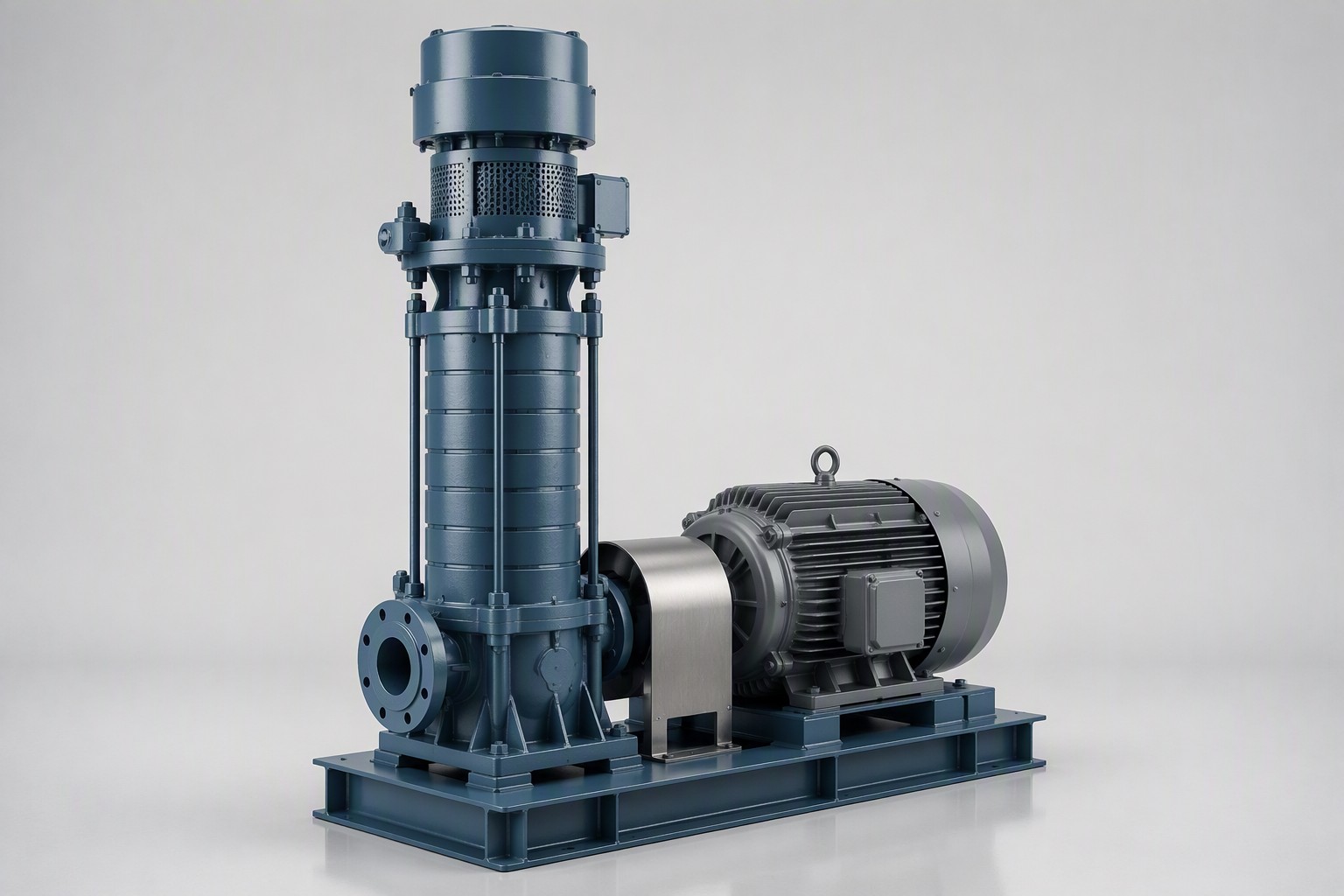
Why Sludge Is a Difficult Fluid to Pump
Sludge is the concentrated solid residue of wastewater and industrial processes — biological sludge from treatment basins, chemical sludge from precipitation, and oily or fibrous sludge from production lines. As it dries it changes from a thin slurry into a thick paste that a centrifugal impeller cannot move. Four properties make sludge hard to pump:
- High and variable viscosity — resistance rises sharply with solids concentration, so the pump must deliver pressure, not rely on impeller velocity.
- Solids and fibres — rags and stringy material clog impellers unless the pump has open passages or a displacement action.
- Abrasiveness — sand and grit wear impellers, casings and seals unless materials and speeds suit the duty.
- Shear sensitivity and gas content — flocs can be damaged and entrained gas can air-bind a centrifugal pump.
Progressive Cavity — the Workhorse of Sludge Transfer
The G-type single screw pump — also called a progressive cavity pump — is the classic answer to thick sludge. A helical metal rotor turns inside an elastomeric stator, and the interference fit forms a continuous series of sealed cavities that travel from suction to discharge, pushing a fixed volume of sludge with each revolution.
The mechanism makes the pump self-priming with steady, low-pulsation flow, gentle on shear-sensitive sludge, and able to handle the viscous, solids-laden media that defeat centrifugals. Because flow is proportional to speed, dosing sludge to a filter press or digester is done by varying the drive speed instead of throttling a valve.
Qingdao Green Power Pump Options for Sludge Duty
| Parameter | G single screw pump | ZW wastewater pump | ZJL/LZ submerged pump |
|---|---|---|---|
| Pump type | Progressive cavity (positive displacement) | Solids-handling centrifugal | Vertical submerged centrifugal |
| Flow rate | 0.1–150 m³/h | 5–800 m³/h | 2–600 m³/h |
| Pressure / head | 0.6–2.4 MPa | Head 14–80 m | Head 8–100 m |
| Motor power | — | 2.2–55 kW | — |
| Temperature | Stator elastomer matched to liquid | — | ≤100°C standard / ≤300°C high-temperature version |
| Typical sludge duty | Thick, viscous, abrasive and shear-sensitive sludge | Thin sludge liquor, drains and solids-laden wastewater | Liquid sludge and slurry in below-grade pits and sumps |
Never run a progressive cavity pump dry. The elastomer stator relies on the pumped liquid for lubrication and cooling; dry running lets the rotor and stator rub directly, destroying the rubber stator within seconds. Fit level or flow protection and always prime the pump before starting it.
Choosing the Stator and Rotor Materials
The stator elastomer is a wearing part that must match the sludge's chemistry and temperature. NBR (nitrile), EPDM and FKM grades each tolerate different oils, chemicals and temperature ranges, and the wrong choice shortens life dramatically. The rotor and any hardened coating should also suit the sludge's abrasiveness. Confirm sludge composition, temperature and solids content with Qingdao Green Power so the correct grades are quoted.
When a Centrifugal Pump Can Move Sludge
Not every sludge stream needs a displacement pump. Thin sludge liquor, supernatant and screened effluent behave like dirty water and are handled economically by a centrifugal pump built for solids. Qingdao Green Power's ZW wastewater series — 5–800 m³/h flow, 14–80 m head, 2.2–55 kW — suits wastewater and slurry media provided the solids fit the impeller passage and viscosity stays low. Match the free passage to the largest debris and run near the duty point, as covered in wastewater pump solutions.
Sludge in Pits and Sumps — the Submerged Option
Sludge and sludge liquor are often stored in below-grade pits and sumps where a surface pump cannot get suction. There, a ZJL/LZ submerged vertical pump installs through a flanged top plate with the impeller submerged and the motor above the liquid, and no mechanical seal operates in the pumped medium. The published range covers 2–600 m³/h flow and 8–100 m head with 0.5–3 m immersion (customisable), standard service to 100°C and a high-temperature version to 300°C. Related feedwater and general plant duties are covered in our industrial pumps for power plants and water treatment pump selection guides.
Application Checks for a Sludge Transfer Pump
- Define the sludge fully — solids content and particle size, viscosity, temperature, chemistry and gas content decide the pump family, speed and materials.
- Keep the inlet flooded — sludge flows poorly, so keep the suction short, the line full and the pump below the sludge level wherever possible.
- Protect against dry running — low-level switches, flow sensors or a flushing line guard a progressive cavity pump's stator.
- Choose the elastomer and metal wisely — match the stator grade to chemistry and temperature, and specify hardened or coated rotors for abrasive grit.
- Plan for cleaning and maintenance — sludge lines scale and settle, so provide flushing connections and access to clear the pump without draining the system.
Frequently Asked Questions
What type of pump is best for sludge transfer?
Thick, viscous, abrasive or shear-sensitive sludge is best moved by a positive displacement pump — typically a progressive cavity (single screw) pump whose sealed cavities push the sludge steadily from suction to discharge. Qingdao Green Power's G-type screw pump is published at 0.1–150 m³/h flow and 0.6–2.4 MPa pressure for sludge and slurry service.
Why must a progressive cavity sludge pump never run dry?
The elastomer stator needs the pumped sludge for lubrication and cooling. If the pump runs dry, the rotor and stator rub directly and the rubber stator can be destroyed within seconds. Install low-level or flow protection and always prime the pump before start-up.
Can a centrifugal pump transfer sludge?
A centrifugal pump can move thin, low-viscosity sludge liquor and screened effluent if the impeller's solids passage suits the largest debris. Qingdao Green Power's ZW wastewater series is published at 5–800 m³/h flow, 14–80 m head and 2.2–55 kW for wastewater and solids-handling duty; thick or stringy sludge should go to a G-type screw pump instead.
How is the stator material of a sludge screw pump selected?
The stator elastomer must match the sludge's chemistry and temperature: NBR, EPDM and FKM grades each tolerate different oils, chemicals and temperature ranges. Because the rotor and stator are quoted as a set, confirm the sludge composition, temperature and solids content with Qingdao Green Power before procurement.
Send your sludge data — solids content, viscosity, temperature, chemistry and flow — and the engineering team will recommend the G-type, ZW or ZJL/LZ configuration for your plant.
Get a Quote
Send your sludge and plant data. Engineers reply within 24 hours.
Contact Us →💬 WhatsApp NowRelated Products
- Screw Pump — G & 3GB Series
- Submerged Pump — ZJL / LZ Series
Related Articles
Wastewater Pump Solutions
Stage-by-stage treatment duties
Industrial Pumps for Power Plants
Plant-wide pump applications
Water Treatment Pump Selection
Feed and process water duties