
Industrial Pump Maintenance Checklist: A Practical Preventive Plan
A practical preventive maintenance checklist for industrial pumps: alignment, couplings, mechanical seals, bearing lubrication, vibration and cavitation signs, plus dry-run prevention and a structured log sheet.
A reliable industrial pump runs on a disciplined maintenance routine: alignment and coupling condition, mechanical seal leakage and flush, bearing temperature and lubrication, vibration level and suction-side cleanliness checked on a fixed schedule. Cavitation, dry running and overload are caught early, and every inspection is logged so trends show before failure.
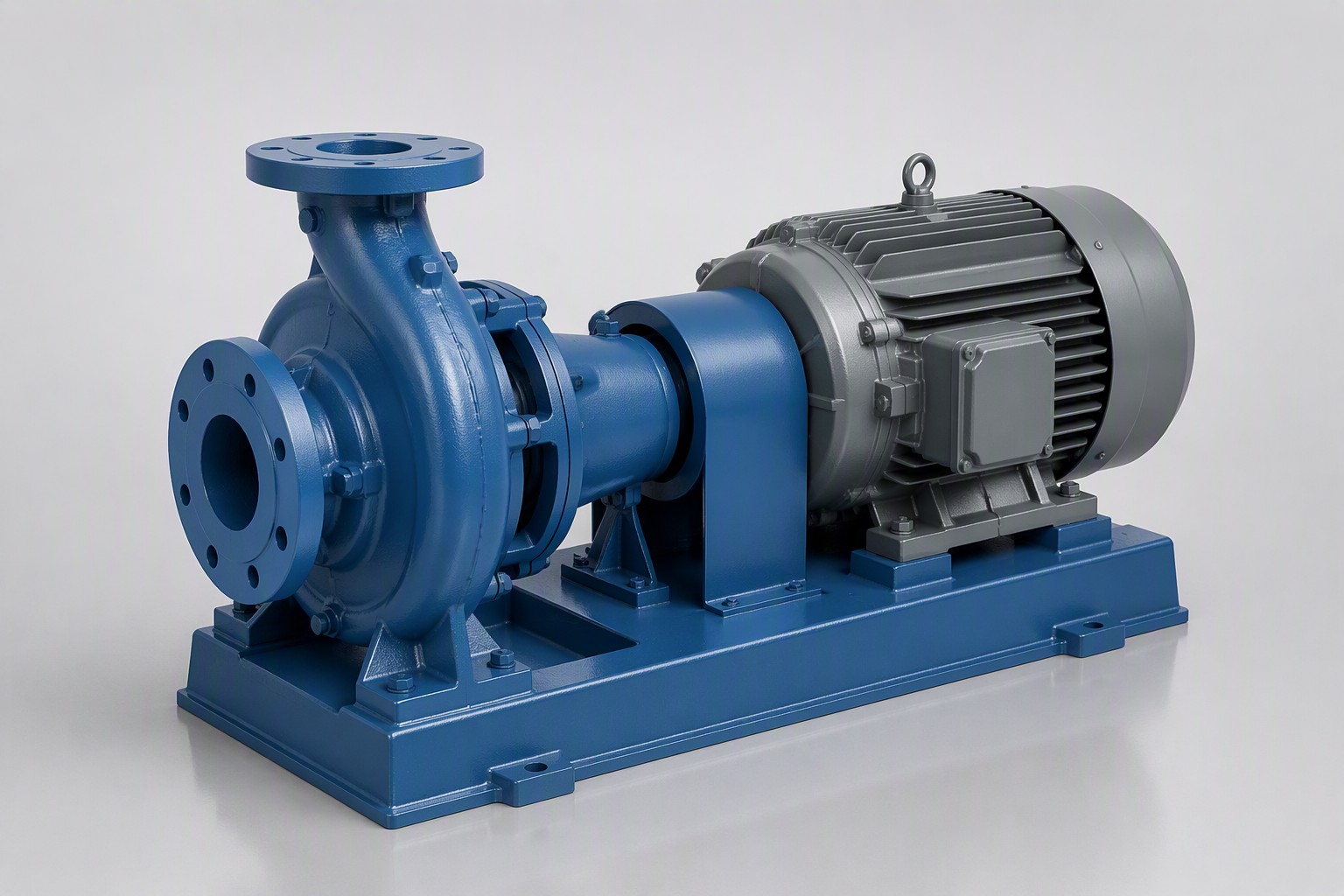
Why a Preventive Maintenance Plan Pays Off
Unplanned pump failure always costs more than planned maintenance: production stops, product is lost, and a failed seal or bearing often damages the shaft or motor too. The same core disciplines apply across centrifugal, gear, screw and lobe pumps.
- Consistency — the same checks on the same schedule catch drift early.
- Records — a written log shows trends in temperature, vibration and leakage.
- Efficiency — a healthy pump holds its duty point; see the pump efficiency improvement guide.
Alignment and Coupling Checks
Misalignment is a leading cause of vibration, seal leakage and bearing failure. Check alignment at installation and after any piping work or motor replacement, correcting it within the manufacturer's manual tolerances.
- Inspect flexible coupling elements for wear, cracks, backlash or softened rubber.
- Confirm the coupling guard is fitted and all bolts and grub screws are tight.
Mechanical Seal Monitoring and Flush
The mechanical seal is the most common wear point on a modern pump, and most failures are preventable. Establish the correct leakage appearance — many single seals run with a fine vapour mist — and investigate any change.
- Confirm the flush or barrier-fluid supply is at the correct pressure and flow.
- Never run the pump dry: a dry-running mechanical seal overheats and fails within minutes.
- For packed glands, adjust the follower to the leakage rate in the manual.
Dry running is especially destructive for screw and lobe pumps — a progressive-cavity stator can be ruined within seconds — so protect the suction supply and follow the lobe pump maintenance and gear pump maintenance guidance.
Bearing Temperature and Lubrication
Bearings warn of trouble through temperature and noise. A sudden temperature rise or changed running tone usually signals lubrication loss, contamination or pre-load from misalignment.
- Relubricate at the interval and grease grade in the manual — over-greasing heats bearings as surely as under-greasing.
- Watch for moisture entering the bearing housings, and record temperature at the same duty point each time.
Vibration Monitoring: Spot Problems Early
Vibration rises with imbalance, misalignment, bearing wear, cavitation, resonance and looseness — usually before other symptoms appear. Take a baseline at commissioning, trend the same measurement point on each inspection, and investigate any sudden increase.
Cavitation Prevention and Suction-Side Checks
Cavitation sounds like gravel inside the pump and shows up as fluctuating flow and discharge pressure, vibration and eventual pitting of the impeller or rotors. It is a suction-side problem, so fix the suction condition first.
- Clean suction strainers and filters on schedule — a clogged strainer causes starvation.
- Keep available NPSH above required NPSH, including at the highest liquid temperature.
- Check for grown suction lift, air leaks or a throttled suction valve.
Low-level cut-outs must also protect the pump from running dry. For suction-line sizing and system behaviour, consult the pump system design guide.
Pump Maintenance Checklist at a Glance
Industrial Pump Preventive Maintenance Checklist
| Area | What to check | Why it matters |
|---|---|---|
| Alignment and coupling | Coupling wear, bolt tightness, alignment | Prevents vibration, seal and bearing failure |
| Mechanical seal | Leakage rate, flush supply | Controls leakage, prevents dry-run damage |
| Bearings | Temperature, relubrication, noise | Detects wear and lubrication loss early |
| Vibration | Baseline and trend readings | Catches imbalance, misalignment, cavitation |
| Suction side | Strainers, filters, NPSH margin | Prevents cavitation and starvation |
| Protection | Low-level cut-out, relief valve, dry-run trip | Avoids damage to pump and motor |
| Log and spares | Daily log sheet, critical spares in store | Planned maintenance, short downtime |
Spare Parts, Log Sheets and Interval Planning
Stock the parts that fail most often — seal cartridges, bearings, coupling elements and gaskets — from the manufacturer's spare-parts list. Log each inspection with running hours, flow, pressure, temperature, vibration and leakage, and schedule intervals from the manual, not generic tables. Qingdao Green Power supports its pump lines with application engineering — contact the team to turn this checklist into a site-specific maintenance plan.
Frequently Asked Questions
How often should an industrial pump be inspected?
Run a daily operator check of leakage, noise, temperature, pressure and flow, and follow a scheduled plan with intervals from the manufacturer's manual. Intervals vary with pump type, duty and operating hours, so the manual is the correct baseline.
What are the first signs of pump cavitation?
A crackling or gravel-like noise, fluctuating discharge pressure and flow, and rising vibration. Check the NPSH margin, suction strainer, lift and liquid temperature, and correct the suction condition before inspecting the impeller.
Why do mechanical seals fail early?
Dry running, misalignment, an incorrect flush supply, contamination and operation outside the seal's pressure and temperature envelope are the usual causes. Keep the flush correct and never run the pump without liquid.
Does Qingdao Green Power support maintenance planning?
Qingdao Green Power engineers can advise on maintenance routines, troubleshooting and spare-parts planning. Confirm current support scope and specifications for your specific pump model.
Tell us your pump type, duty and maintenance concerns — the engineering team will help you build a practical inspection and spare-parts plan.
Get a Quote
Send your pump details and maintenance questions. Engineers reply within 24 hours.
Contact Us →💬 WhatsApp NowRelated Products
- 3RP Lobe Pump Maintenance
- KCB Gear Pump Maintenance
Related Articles
Industrial Pump Troubleshooting
Diagnose by symptom
Pump System Design Guide
Suction and system design
Pump Efficiency Improvement
Energy-saving operation