
G-Type Single Screw Pump: Installation, Commissioning & Operating Guidelines
Correct installation decides the service life of a G-series progressive cavity pump: foundation and alignment, pre-run filling, dry-run protection, and a first-start checklist.
Install the G single-screw pump on a rigid foundation, align the coupling within 0.05 mm, fill the suction line and pump body with liquid before start-up, and never run dry. Confirm rotation direction first, then check pressure, flow and noise during the first hour.
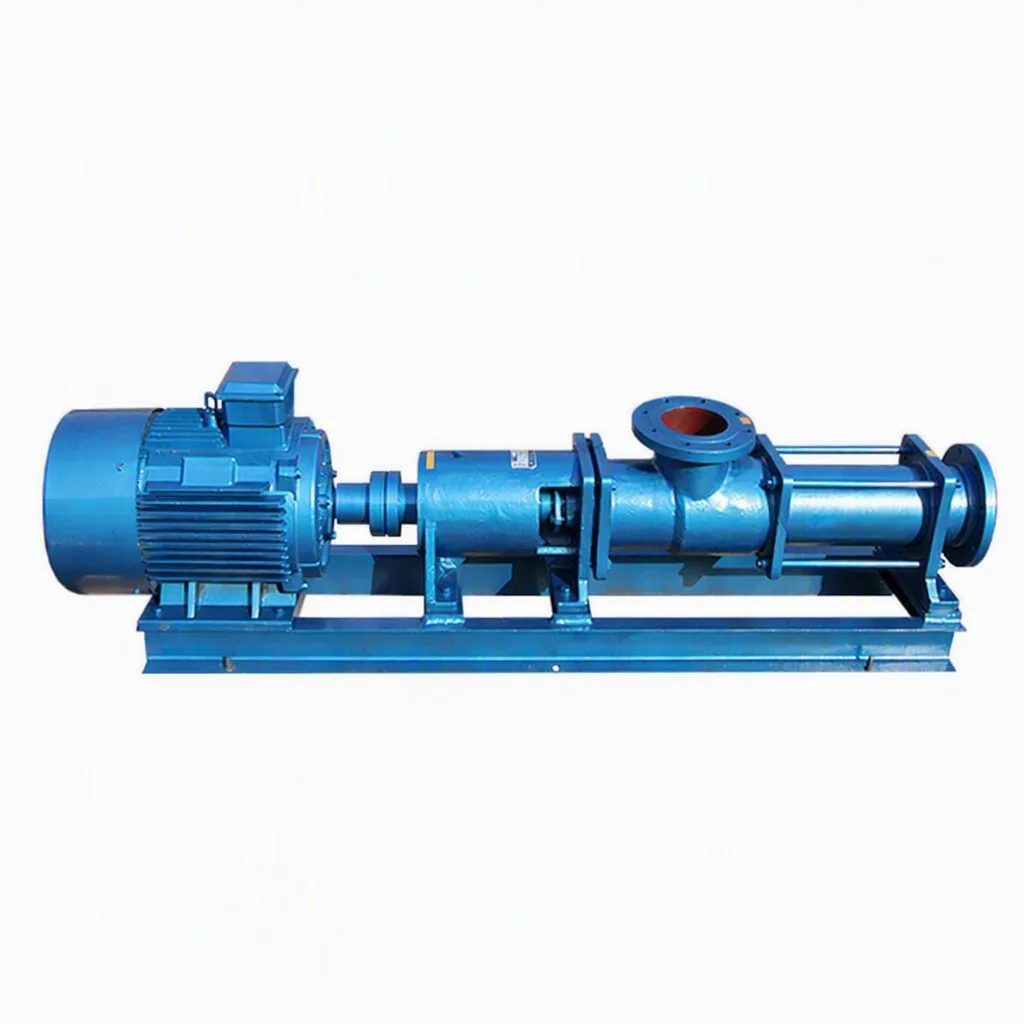
1. Foundation and Alignment
Mount the pump on a flat, rigid base. Use a dial indicator to align the coupling: radial and axial run-out within 0.05 mm. Misalignment is the most common cause of early seal and bearing failure.
2. Piping
- Support the pipes so their weight never rests on the pump flanges.
- Keep the suction pipe short, direct and as large as the pump inlet.
- Fit a strainer (16–30 mesh) on the suction for first runs with abrasive media.
- Provide a relief valve or pressure guard downstream — never deadhead a screw pump.
3. Pre-Run Filling
Progressive cavity pumps need liquid in the stator before starting — running dry quickly overheats and damages the rubber stator. Fill the pump and suction line with the pumped liquid or an equivalent lubricant before energizing.
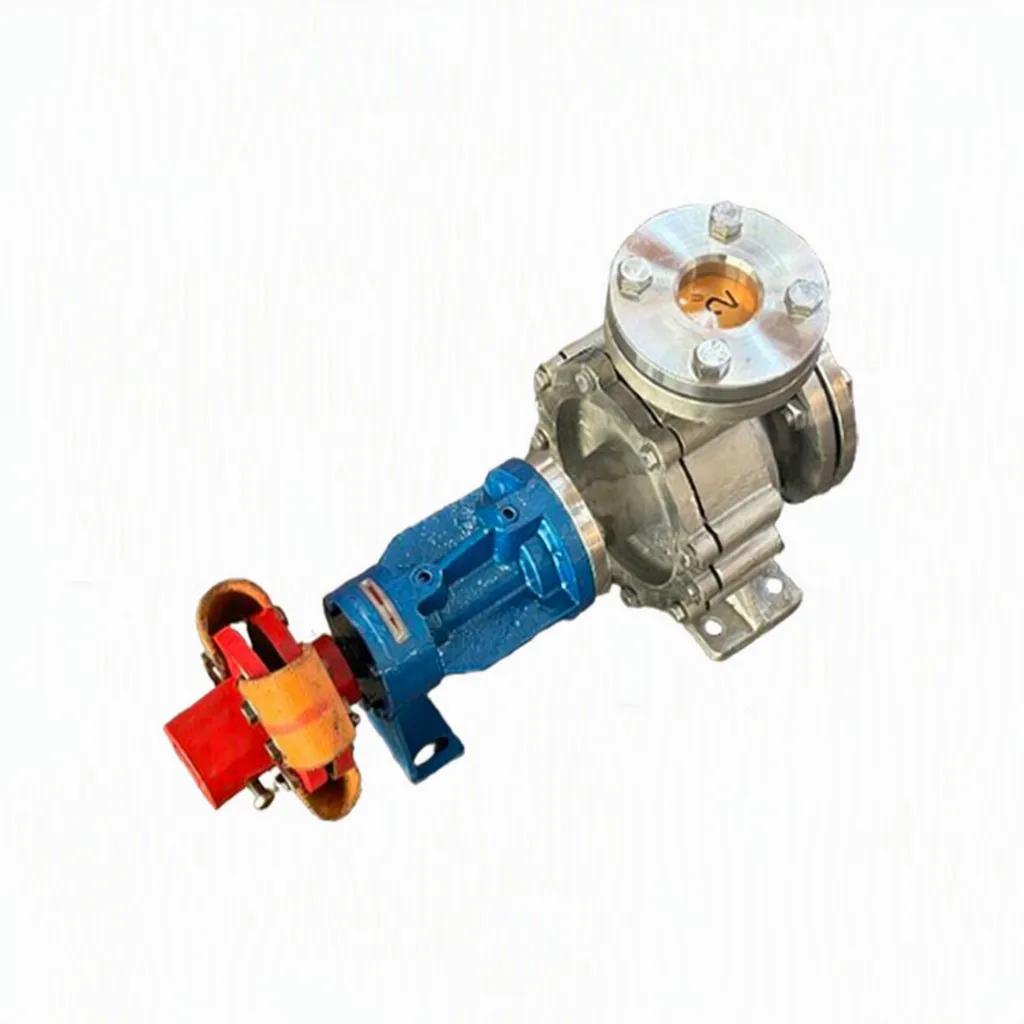
4. Dry-Run Protection
Fit a low-level switch on the feed tank or a run-dry sensor, interlocked to stop the motor. A dry G-pump can ruin the stator in minutes.
How long does a rubber stator last?
Depending on media and duty, 1–3 years is typical; abrasive or hot media shorten life. Replace the stator and rotor as a matched pair.
Can I adjust flow on a G pump?
Yes — flow is proportional to speed. Use a VFD to vary output instead of throttling the discharge, which raises pressure unnecessarily.
What causes pulsation or noise?
Usually a worn or swollen stator, incorrect speed, or cavitation from a blocked suction strainer. Stop and inspect the stator bore.
Need an installation drawing or a G-pump quotation? Our engineers can provide both.
Get a Quote
Send flow, viscosity and installation details. Engineers reply in 1–2 days.
Contact Us →💬 WhatsApp NowRelated Products
- Screw Pump (G / 3GB)
Related Articles
Pump for Viscous Liquids
Jul 2024 · 7 min