
Why Industrial Buyers Choose Centrifugal Pumps: Benefits, Types & Application Guide
Centrifugal pumps dominate global industrial fluid transfer. This guide covers IS / ISW / ZW / CDL series, material selection and when to use positive-displacement instead.
Centrifugal pumps transfer liquid by converting rotational kinetic energy from an impeller into pressure. IS/ISW series: flow 1.5–1600 m³/h, head 2–125 m, temperature ≤80°C. Efficiency drops sharply above 150–200 cSt — switch to a gear pump (KCB/YCB) or screw pump for viscous media.
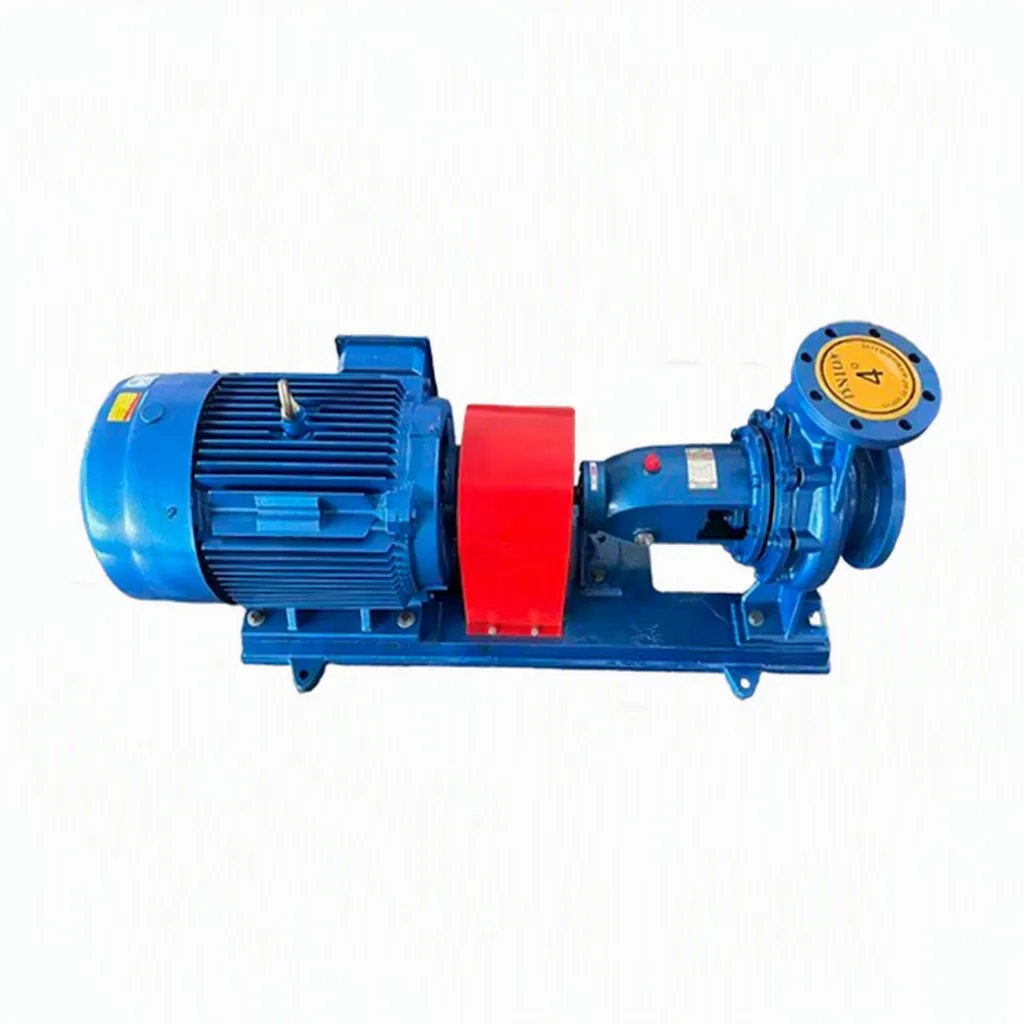
What Is a Centrifugal Pump and How Does It Work?
A centrifugal pump uses a rotating impeller to move liquid from the suction inlet to the discharge outlet. As the impeller spins (typically 1450 or 2900 RPM), it imparts kinetic energy to the fluid. The surrounding volute casing converts velocity into pressure, pushing liquid along the discharge pipe.
Unlike positive-displacement pumps, centrifugal pumps deliver continuous, non-pulsating flow — which makes them ideal for most industrial and municipal fluid transfer applications.
Key Benefits of Centrifugal Pumps
- Simple construction: Fewer moving parts — lower maintenance burden and longer service intervals
- Wide flow range: IS/ISW series covers 1.5–1600 m³/h with one pump family
- Non-pulsating flow: Critical for flow measurement accuracy and heat exchanger performance
- Self-priming variants: ZX and ZW series handle suction lifts of 5–6.5 m without external priming
- Material versatility: Cast iron for water; SS316L for chemicals; PTFE-lined IHF for acids and alkalis
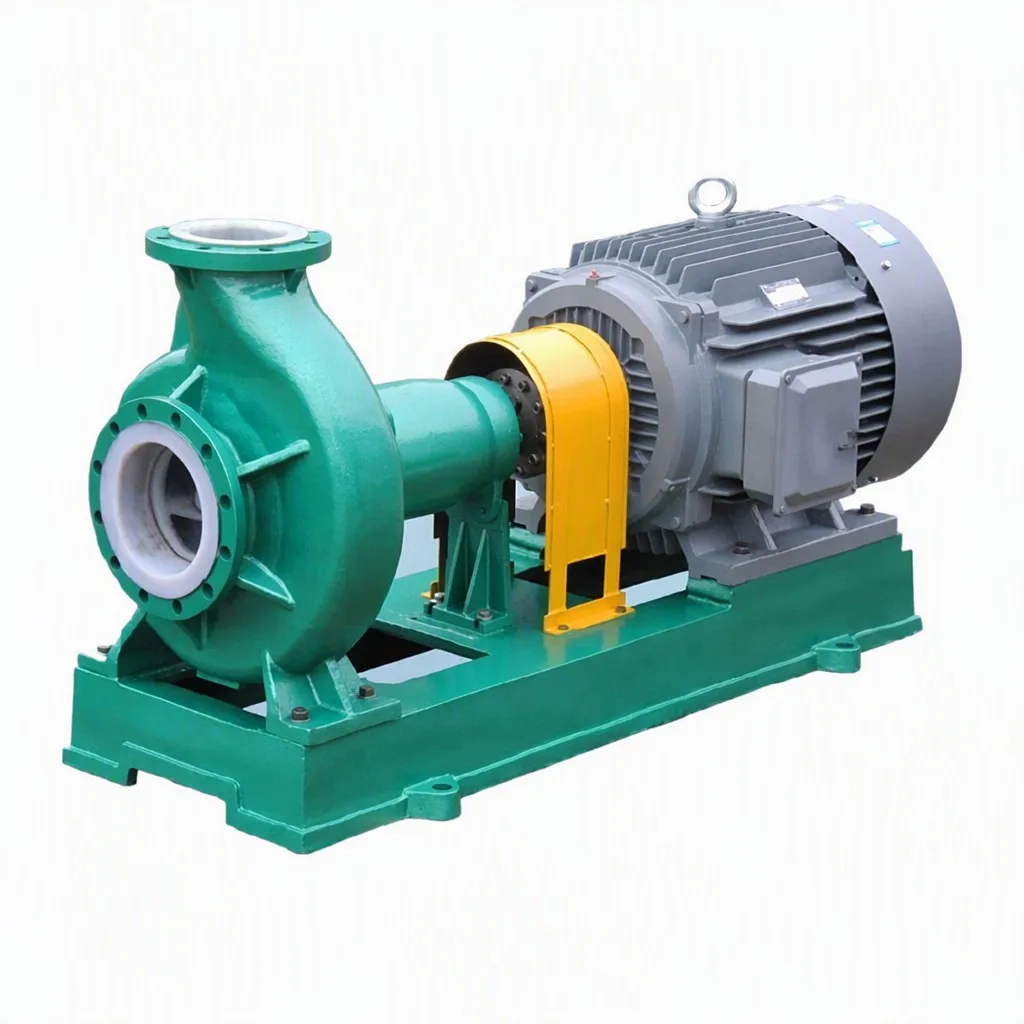
Series Comparison — Published Specification Ranges
Centrifugal Pump Series — Manufacturer Data
| IS Series | Flow 6.3–400 m³/h · Head 5–125 m · Temp ≤80°C · End-suction horizontal |
| ISW Series | Flow 1.5–1600 m³/h · Head 2–125 m · Power 0.18–250 kW · Horizontal inline |
| ZX Self-Priming | Flow 3.2–550 m³/h · Head 20–80 m · Suction lift 5–6.5 m |
| ZW Wastewater | Flow 5–800 m³/h · Head 14–80 m · Power 2.2–55 kW · Handles solids |
| CYZ Oil Pump | Flow 3.2–600 m³/h · Head 12–80 m · Self-priming · Fuel and oil service |
| CDL Multistage | Flow 2–200 m³/h · Head 23–230 m · Temp -15°C to 120°C |
When NOT to Use a Centrifugal Pump
- Viscosity >150–200 cSt: Use a gear pump (KCB/YCB) or screw pump (G/3GB)
- Metered dosing required: Cannot provide precise volumetric output
- Very high pressure at low flow: Use positive-displacement for >4 MPa
- Abrasive slurry at high concentration: Use a dedicated slurry pump
5-Step Selection Guide
- Determine required flow (m³/h) and total head (m) at design conditions
- Check operating temperature — ≤80°C standard; CDL to 120°C
- Specify wetted materials: water → cast iron; chemicals → SS316L; acids → IHF PTFE
- Check available NPSH vs. pump NPSHr — critical for ZX/CYZ self-priming models
- Select series: IS (end-suction); ISW (inline); CDL (multistage, high head)
What data is needed for a centrifugal pump quotation?
Flow rate (m³/h), total head or discharge pressure (m / MPa), liquid name and temperature, specific gravity, viscosity, available NPSH, motor voltage and IP class, and installation orientation. More data = more accurate recommendation.
Can a centrifugal pump handle chemical liquids?
Yes, when wetted materials and sealing are correctly matched. IH series (SS304/316L) handles mild chemicals to 80°C; IHF fluoroplastic-lined handles strong acids and alkalis to 100°C. Always confirm chemical compatibility before specifying.
Why is a centrifugal pump more popular than a gear pump?
Lower purchase cost per m³/h; simpler maintenance with fewer wear parts; non-pulsating flow that protects instrumentation. Trade-off: efficiency loss at high viscosity.
Need help selecting the right centrifugal pump for your application?
Get a Quote
Send medium, flow, head and temperature. Engineers reply in 1–2 days.
Contact Us →💬 WhatsApp NowRelated Products
- IS Centrifugal Pump
- ISW Horizontal Inline
- ZW Self-Priming Pump
- CDL Multistage Pump
- IHF Chemical Pump
Related Articles
Pump Blockage: Causes & Fix
Aug 2023 · 5 min
Best Pump for Viscous Liquids
Jul 2024 · 7 min