
PSA Oxygen Generator for Metallurgy
A ZMS twin-tower PSA oxygen system for metallurgy: 93% ±3% O₂ at 1–200 Nm³/h for combustion enhancement, cutting and welding support and furnace enrichment.
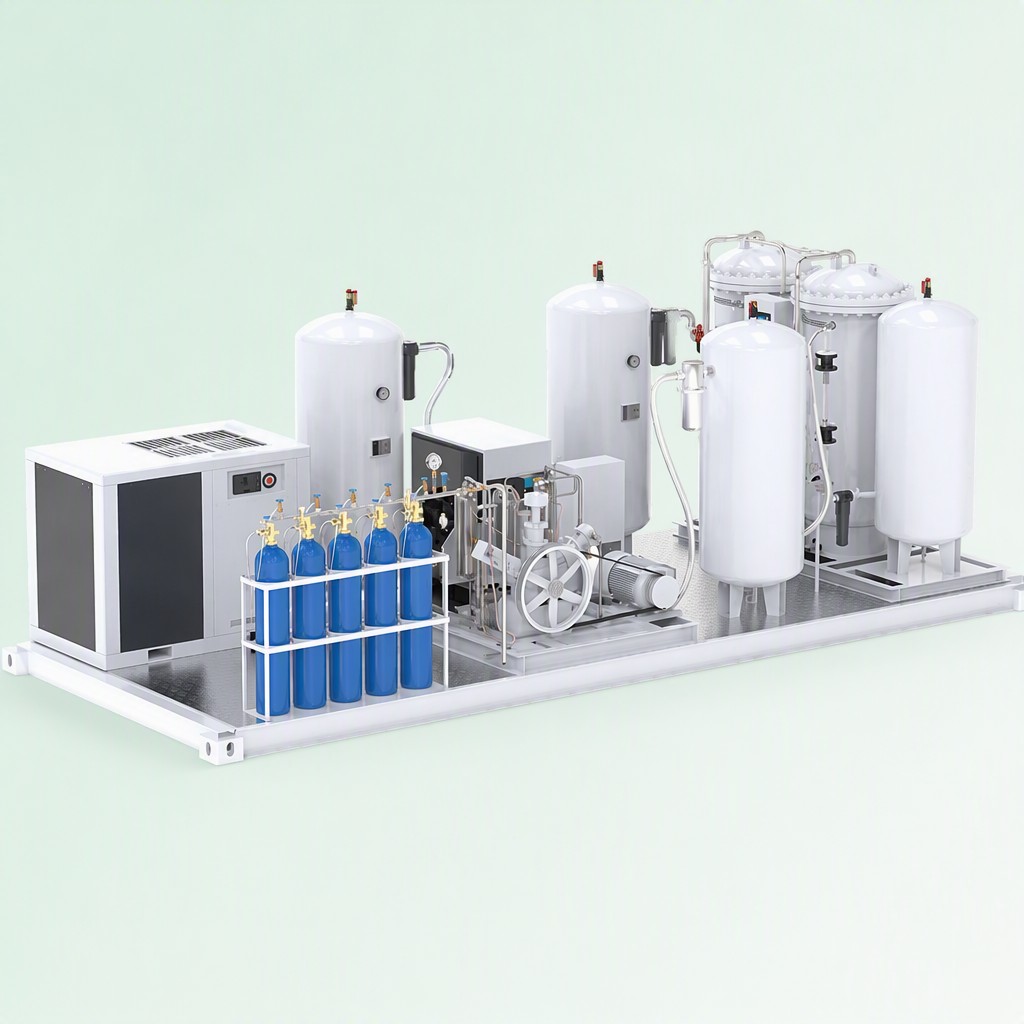
A PSA oxygen generator separates oxygen from compressed air on site using zeolite molecular sieve (ZMS) in a twin-tower pressure swing adsorption system, delivering oxygen at 93% ±3% purity with the towers alternating for a continuous supply.
In metallurgy and metal processing the oxygen is applied to combustion enhancement, to cutting and welding support, and to the enrichment duty that metallurgical processes require.
The published output range is 1–200 Nm³/h at 0.4–0.5 MPa outlet pressure, with energy consumption confirmed against the selected model datasheet and start-up to rated purity within 30 minutes.
Generating oxygen at the works removes the need for delivered gas and lets the supply be matched to the furnace, burner or cutting duty that needs it.
| Parameter | Specification |
| Purity | 93% ±3% O₂ |
| Flow | 1–200 Nm³/h |
| Outlet pressure | 0.4–0.5 MPa (adjustable) |
| Product-gas dew point | -40°C or lower |
| Energy use | model-specific energy consumption |
| Adsorbent | Zeolite molecular sieve (ZMS) |
| Technology | ZMS twin-tower PSA (zeolite molecular sieve), continuous on-site supply |
| Feed air | model-specific pressure, dew point ≤-40°C, oil-free |
| Startup time | ≤30 minutes to rated purity |
| Control | PLC automatic; optional HMI touch screen |
| Typical duty | Combustion enhancement, cutting and welding support, metallurgy enrichment and furnace or kiln duty |
The PSA oxygen range is published as a purity and capacity configuration rather than a numbered model table: fix the required oxygen flow first, then confirm purity, outlet pressure and energy use for the duty.
- Adsorption towers: two adsorber vessels alternate between adsorption and regeneration, so the oxygen supply is continuous.
- Molecular sieve: zeolite molecular sieve (ZMS) selectively adsorbs nitrogen from the compressed air so oxygen passes through as product gas at 93% ±3% purity.
- Air dryer: the package includes an air dryer that brings the compressed-air moisture load down so the feed-air dew point requirement is met before the air reaches the sieve bed.
- Filtration: filtration stages remove oil aerosol and dust carried over from the compressor and receiver, protecting the sieve bed.
- Air receiver: a buffer tank (air receiver) between the compressor and the PSA towers steadies the feed-air supply.
- Control cabinet: PLC automatic control with an optional HMI touch screen; the control cabinet manages the valve cycle and the operating parameters.
- Purity monitoring: an oxygen analyser monitors the purity of the product oxygen, and its calibration is checked on schedule.
- Feed air: compressed air at model-specific pressure with a dew point of -40°C or lower, oil-free.
- Combustion enhancement: raises the oxygen content of combustion air to improve combustion in furnaces and kilns.
- Cutting and welding support: supplies oxygen for metal cutting and welding support duties.
- Metallurgy enrichment: provides oxygen enrichment for metallurgical processing.
- Furnace and kiln duty: feeds oxygen-enriched combustion air to furnaces and kilns.
- On-site supply: generates oxygen at the plant instead of relying on delivered cylinders or liquid gas.
- Foundry and heat-treatment support: supports metal processing duties that need a controlled oxygen supply.
- Confirm the required purity and flow, since these set the ZMS charge and the system size.
- Check the outlet pressure against the 0.4 to 0.5 MPa range.
- Note the energy consumption confirmed for the selected model when sizing the power supply and operating cost.
- Confirm the feed-air pressure and treatment requirements should be confirmed against the selected model datasheet, conditioned by an air dryer and filtration stages.
- State whether the supply feeds a single burner or several points, so the flow figure covers the total demand.
- Confirm the process and operating schedule so the generator is sized to average demand rather than peak.
What purity does the generator supply for metallurgy?
The standard range is 93% ±3% O₂ from ZMS twin-tower PSA, with flow from 1 to 200 Nm³/h.
Where is PSA oxygen used in metal processing?
For combustion enhancement, cutting and welding support, oxygen enrichment in metallurgical processes, and furnace and kiln duty.
What information is needed to size the generator?
Provide the oxygen flow and purity the process needs, the outlet pressure, operating hours, the compressed-air supply and the site conditions.
What is the energy consumption?
Approximately model-specific energy consumption of oxygen produced, with start-up to rated purity in 30 minutes or less.
Why generate oxygen on site rather than buy it?
On-site generation removes delivered-gas logistics and lets the supply be sized to the furnace, burner or cutting duty, with electricity as the only running consumable.
Related Products
- PSA Oxygen Generator
- Industrial O₂ Applications
- O₂ for Combustion Enhancement
- PSA Package Equipment
How to Choose a PSA Oxygen System for Metallurgy
Quick answer: For metallurgy, PSA oxygen is applied to combustion enhancement, cutting and welding support and oxygen enrichment. Start from the oxygen flow and purity the process needs, matched to 93% ±3% O₂ and 1–200 Nm³/h.
Where does oxygen add value in metallurgy?
In combustion enhancement, where raising the oxygen content of combustion air improves combustion, and in cutting and welding support and metallurgical enrichment. The metal processing industry page sets out the wider picture.
How do I size the supply?
Add up the oxygen demand of every point fed by the generator, then match the total to the 1–200 Nm³/h published range at the required purity and an outlet pressure of 0.4–0.5 MPa.
What does the installation need?
Compressed air at model-specific pressure, dew point -40°C or lower and oil-free, plus power and space for the skid, air dryer, filtration and air receiver.
Selection Data to Send Our Engineers
- Required O₂ flow (Nm³/h)
- Oxygen purity
- Outlet pressure (MPa)
- Process and operating schedule
- Compressed-air quality and capacity
- Ambient and installation conditions
Industry Applications
Explore how this equipment can be applied in related industrial sectors and review application-specific selection guidance.
Technical selection & RFQ
Request a Quote for PSA Oxygen Generator for Metallurgy
Looking for a PSA oxygen generator supplier for an industrial project? Share the operating conditions below so our team can review the duty, recommend a suitable configuration and prepare a quotation. Final model selection and performance should be confirmed against your actual process conditions and the applicable product data.
Information to include in your inquiry
- Required oxygen purity: Target O₂ concentration and process-specific requirements
- Oxygen flow: Average and peak demand, with units such as Nm³/h
- Outlet pressure: Required delivery pressure and pipeline conditions
- Application & operating profile: Wastewater aeration, aquaculture, combustion, metallurgy, or other use
- Site utilities: Power supply, feed-air conditions, installation environment and available space
Not all details are available yet? Send the information you have, your datasheet or a process description. We can identify the missing selection data before confirming a model.