
Oil & Gas Industry
Industrial pump and gas-generation equipment selection for oil and gas process duties. Final selection depends on medium, flow, pressure, temperature, hazardous-area requirements and site standards.
Send Your Operating Conditions
Tell us the medium or gas, flow, pressure or head, temperature and duty cycle. We confirm the achievable range and propose a configuration for your site.
Email sales@qdgreenpower.com · WhatsApp +86 150 9205 0379 · Reply within 24 hours on working days
Recommended Equipment
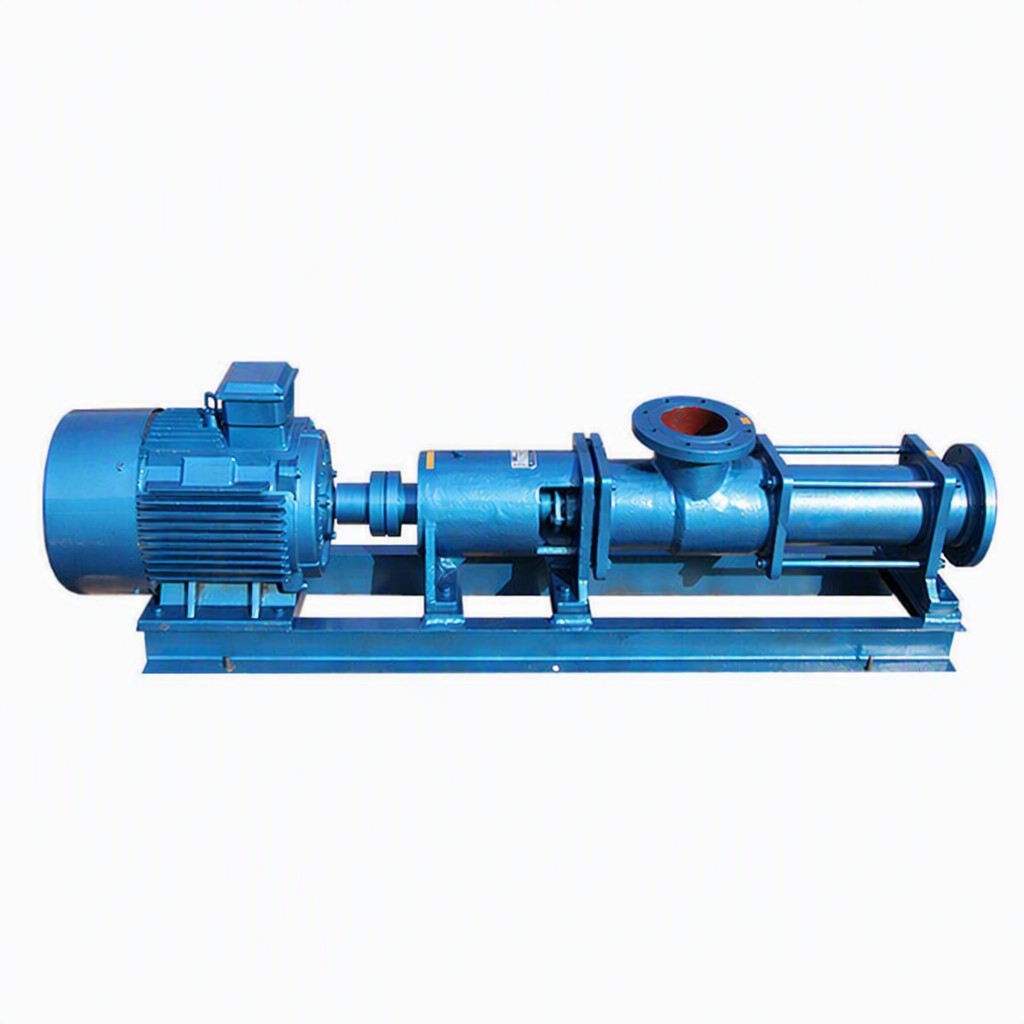
Screw Pump
Single and triple screw for viscous, high-temp and bitumen media.
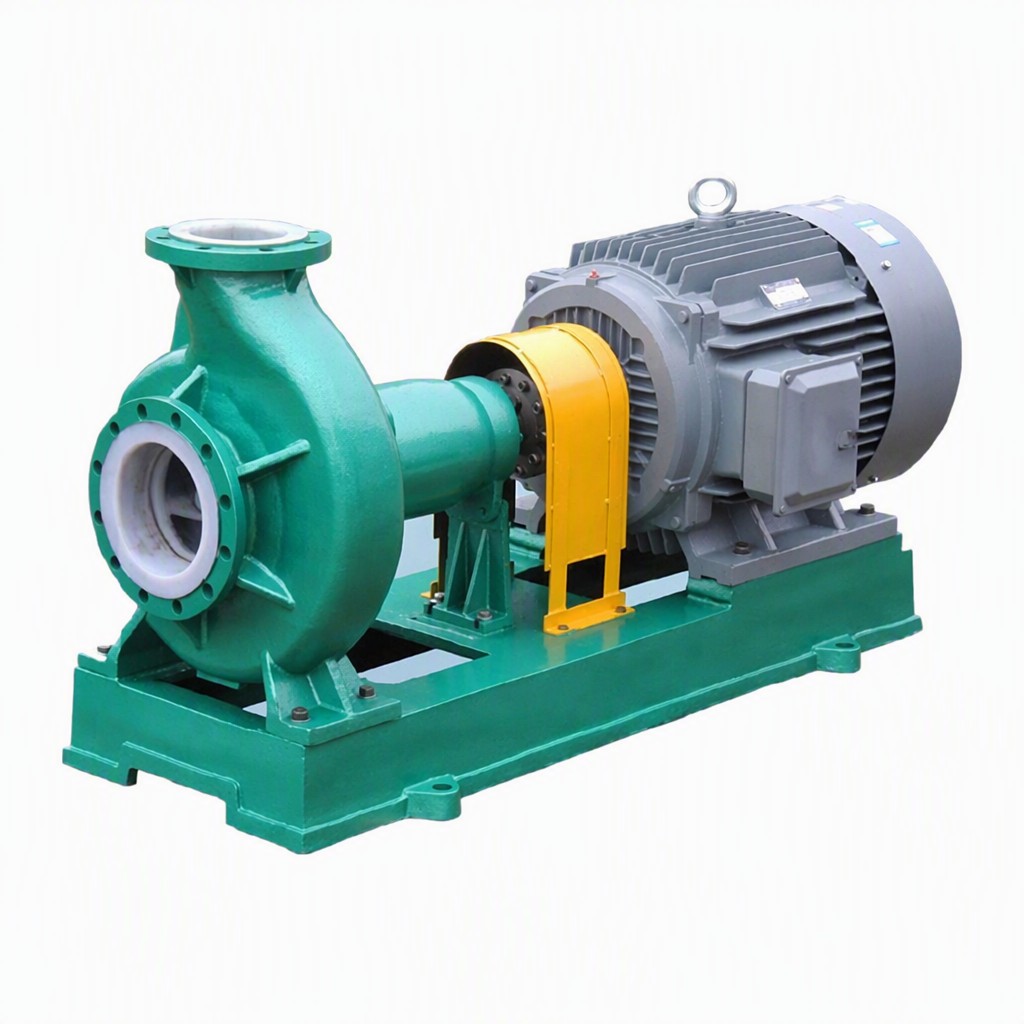
Chemical Pump
IH stainless or IHF PTFE-lined for acids, alkalis and corrosive media.
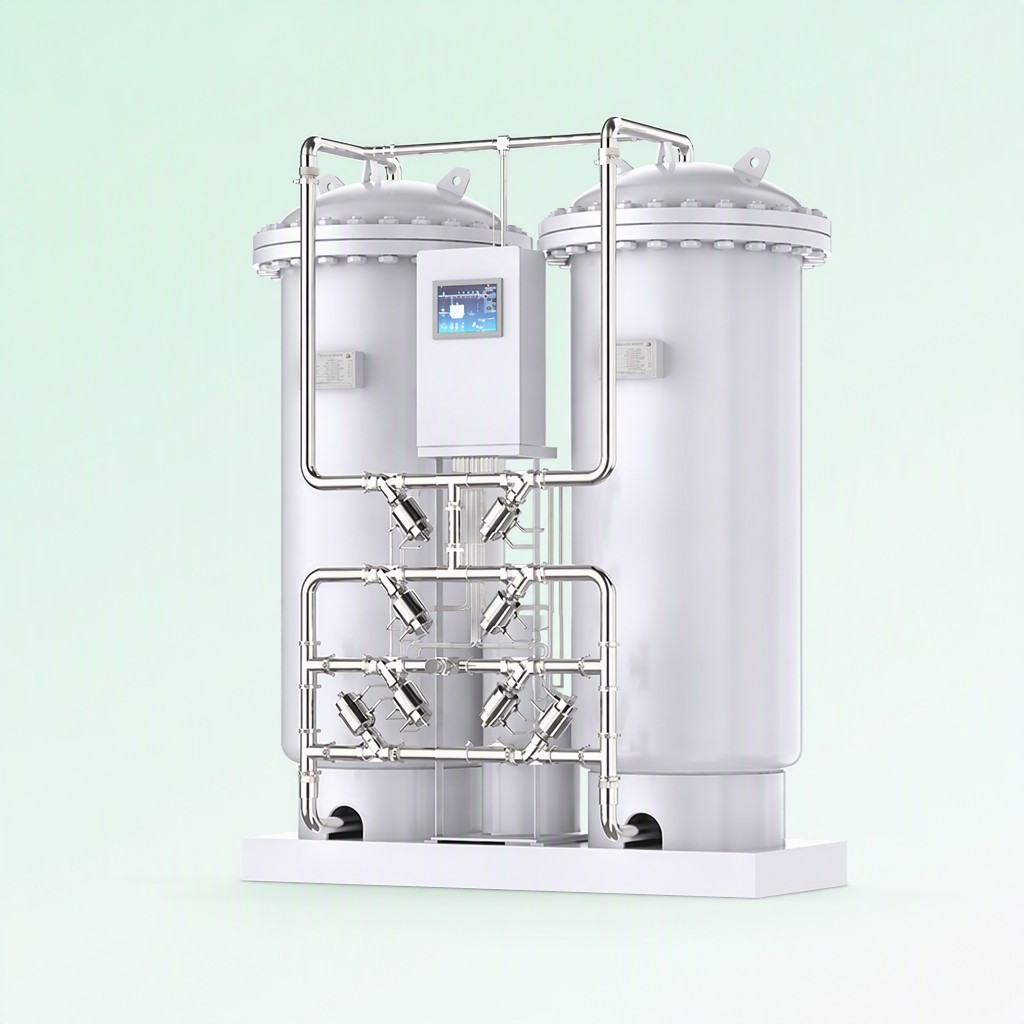
PSA Nitrogen Generator
CMS twin-tower continuous N₂. PLC automatic, skid-mounted. Electronics, food, chemical, laser cutting, heat treatment.
Key Selection Considerations
- Medium properties — Crude, refined product, fuel oil and process water behave differently. Viscosity, vapour pressure and solids content are what decide the pump type.
- Flow rate and discharge pressure — The screw pump series covers 0.1–600 m³/h at 0–6 MPa, and the duty point should be taken from the process rather than from the available range.
- Operating temperature — Duties above 100°C change the material and seal selection. The 3GB triple-screw series is rated up to 350°C, while the chemical pump series covers -20°C to 100°C.
- Corrosive or chemically active streams — Where acids, alkalis or corrosive media are handled, the IH stainless and IHF PTFE-lined chemical pump series apply, subject to compatibility confirmation against the medium and its concentration.
- Hazardous-area and site requirements — Area classification, the applicable site standards and the available utility supply should be stated at the enquiry stage so they can be reviewed against the proposal.
Engineering Approach
Selection follows the stream and the site rather than the equipment category: medium properties, flow, pressure and temperature are established first, and hazardous-area classification and site standards are reviewed alongside them. To raise a technical recommendation, send the medium, viscosity, temperature, flow, pressure, suction conditions, area classification, power supply and duty cycle.
Nitrogen Blanketing
- What blanketing does — Tank blanketing and process protection replace the vapour space with nitrogen so oxygen is kept away from the stored product. Required flow, purity, pressure and compressed-air conditions all have to be defined.
- On-site generation — The PSA nitrogen series produces 1–2000 Nm³/h at 95%–99.999% N₂ with an outlet pressure of up to 0.65 MPa (confirm selected model) from a CMS twin-tower skid, so the supply is generated on site rather than delivered.
- Sizing inputs — Nitrogen demand follows from the tank volume, the blanketing pressure and the rate of liquid movement, while the purity set point follows from the process rather than being fixed in advance.
- Compressed-air feed — PSA generation depends on the quality and availability of the compressed-air supply, which should be stated at the enquiry stage.
Pipeline Purging
- What purging does — Purging and inerting displace air or product from a pipeline or vessel before start-up, maintenance or a product changeover.
- Sizing inputs — System sizing should consider the required flow, purity and pressure, together with the purge procedure and the operating schedule.
- Operating pressure and capacity — The PSA nitrogen series delivers up to 0.65 MPa (confirm selected model) at the outlet, covering 1–2000 Nm³/h at 95%–99.999% N₂.
- Circulation alongside purging — Where the purge is followed by circulation, the pipeline circulation pump series covers 1.5–1600 m³/h at 2–230 m head and 0.18–250 kW for HVAC, hot water and industrial loops.
Frequently Asked Questions
What information is needed for a pump enquiry?
The medium, viscosity, temperature, flow rate, discharge pressure, suction conditions, hazardous-area classification, power supply and duty cycle.
Which pump suits high-viscosity hydrocarbons?
Positive-displacement screw pumping is normally used for high-viscosity and high-temperature hydrocarbons. The series covers 0.1–241.7 m³/h at 0.6–2.4 MPa and up to 350°C.
Can the same pump handle corrosive streams?
Where corrosive media are present, the IH stainless and IHF PTFE-lined chemical series apply. Material compatibility should be confirmed against the medium and its concentration.
What temperature can the equipment handle?
The screw pump series is rated up to 350°C on the 3GB triple-screw models, and the chemical pump series from -20°C to 100°C.
How are hazardous-area requirements handled?
Area classification and the applicable site standards should be stated at the enquiry stage, so the proposed configuration can be reviewed against them.
How is a nitrogen system sized for blanketing or purging?
From the required nitrogen flow, target purity, outlet pressure and operating schedule, together with the compressed-air conditions available on site. The series covers 1–2000 Nm³/h at 95%–99.999% N₂ and up to 0.65 MPa (confirm selected model).
Does on-site nitrogen generation need a compressed-air supply?
Yes. PSA generation depends on a compressed-air feed, so its quality and availability should be stated at the enquiry stage and checked against the proposed configuration.