
Chemical & Petrochemical Industry
Industrial pump and vacuum solutions for chemical and petrochemical processes, covering corrosive-media handling, hydrocarbon transfer, high-viscosity fluids and degassing duties. Selection follows fluid properties, temperature, pressure, flow and material compatibility.
Send Your Operating Conditions
Tell us the medium or gas, flow, pressure or head, temperature and duty cycle. We confirm the achievable range and propose a configuration for your site.
Email sales@qdgreenpower.com · WhatsApp +86 150 9205 0379 · Reply within 24 hours on working days
Recommended Equipment
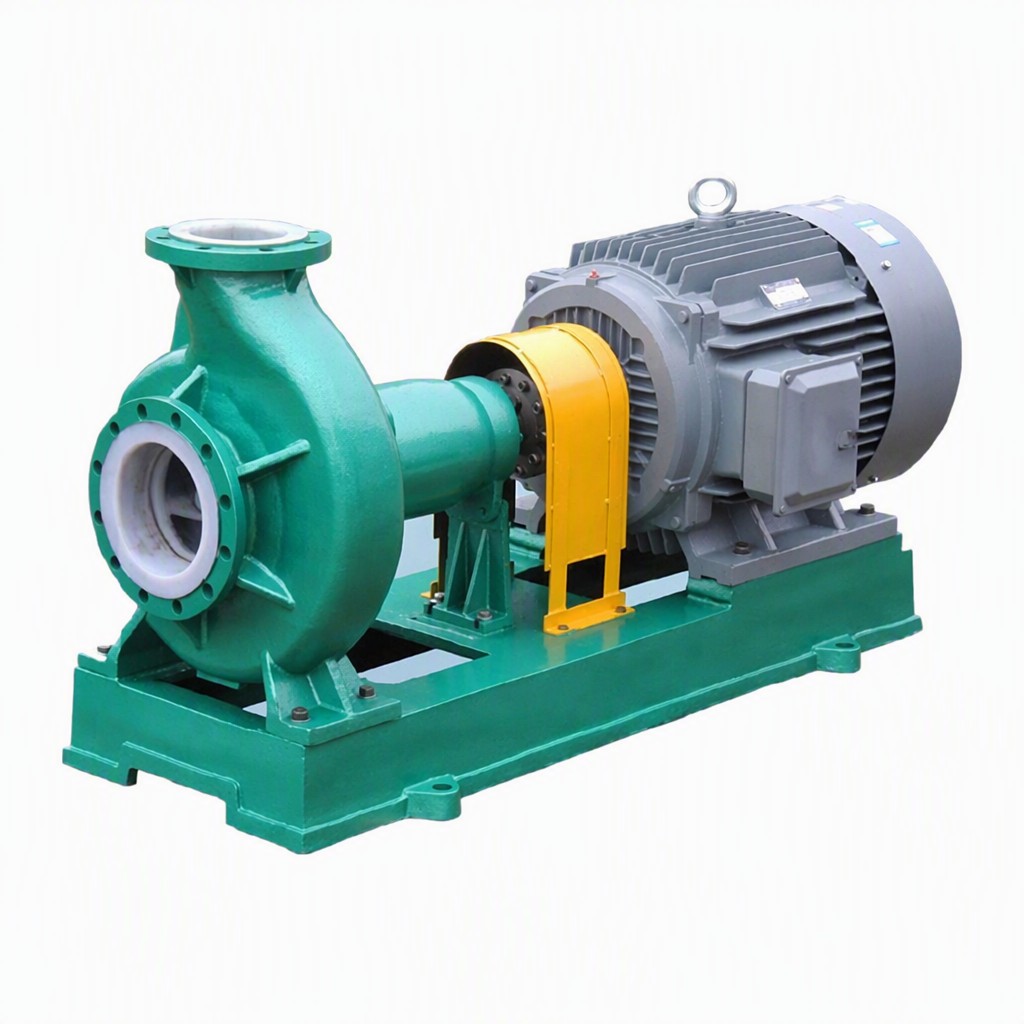
Chemical Pump
IH stainless or IHF PTFE-lined for acids, alkalis and corrosive media.
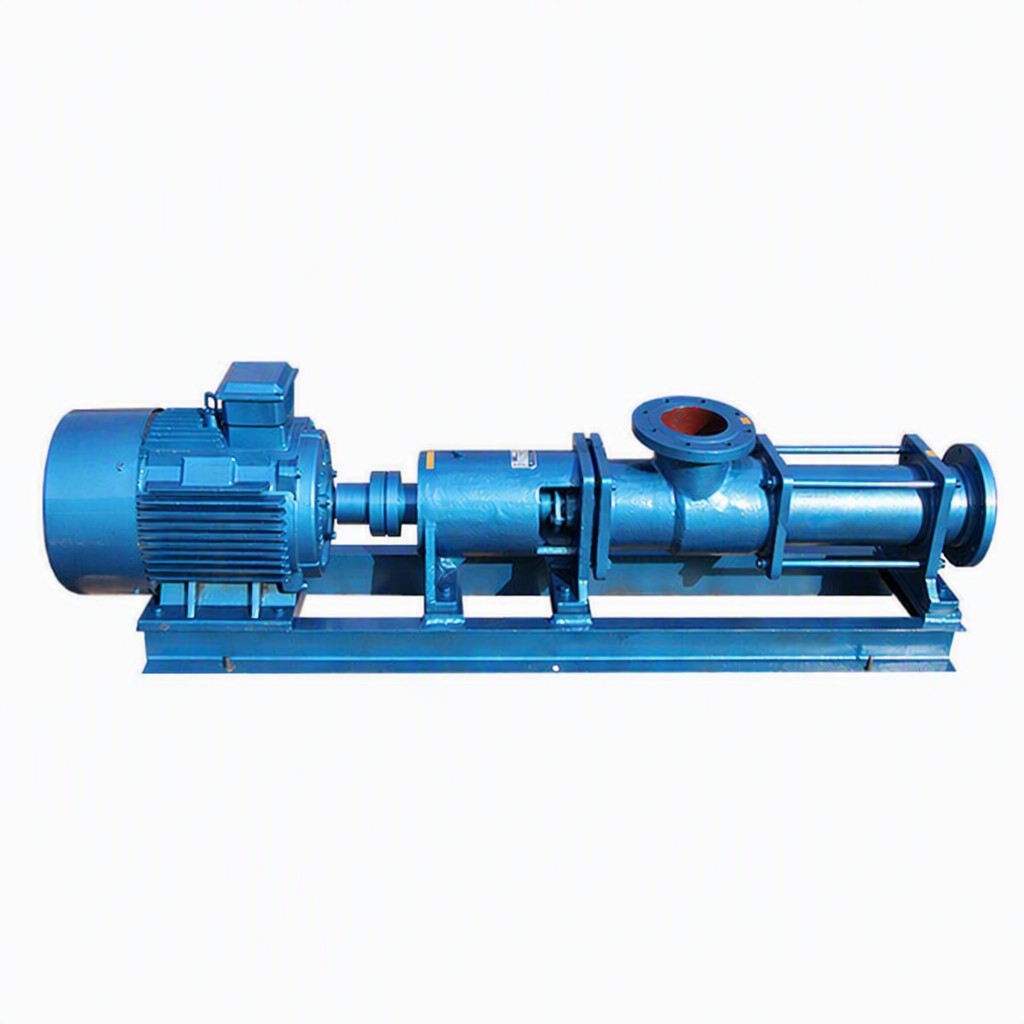
Screw Pump
Single and triple screw for viscous, high-temp and bitumen media.
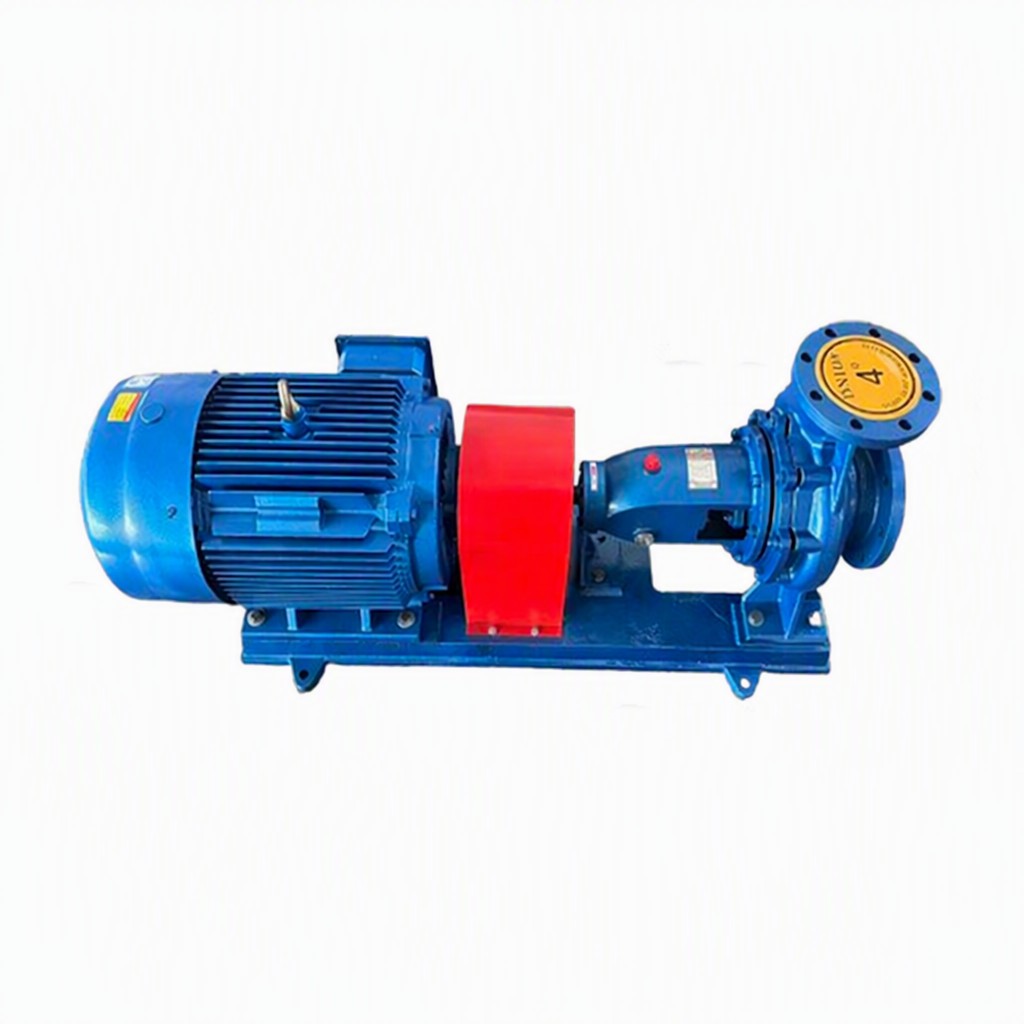
Centrifugal Pump
16 sub-series for water, wastewater, chemicals and multistage.
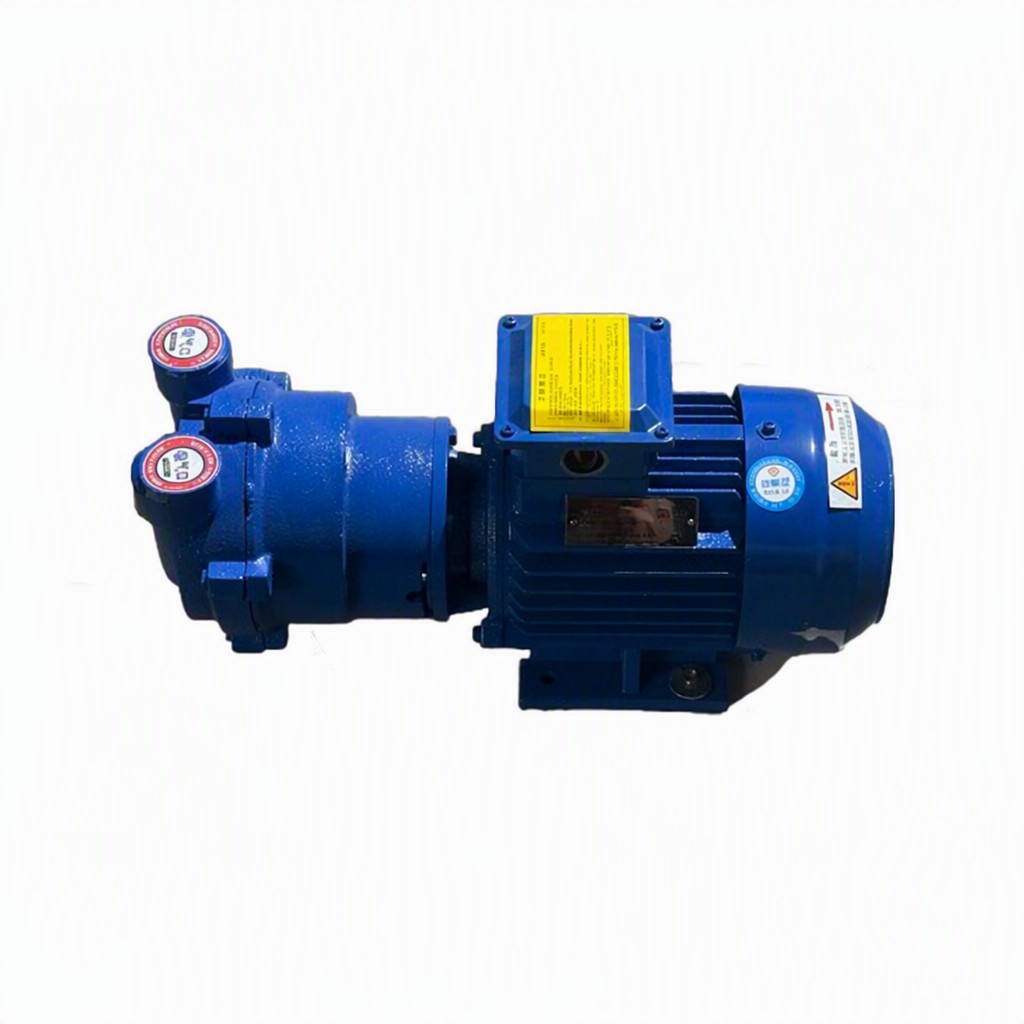
Vacuum Pump
Liquid ring vacuum for industrial vacuum, wet gas and degassing.
Key Selection Considerations
- Corrosive or chemically active media — Identify the chemical composition and concentration first. The IH stainless and IHF PTFE-lined chemical pump series cover different levels of aggressiveness, from 0.8–1500 m³/h at 4.5–125 m head.
- Hydrocarbon and process-fluid properties — Composition, viscosity and vapour pressure decide whether a centrifugal, positive-displacement or vacuum machine is appropriate for the duty.
- Duty point: flow rate and discharge pressure — Establish the required flow and pressure before a range is confirmed. The screw pump series covers 0.1–600 m³/h at 0–6 MPa, and the centrifugal series covers 0.75–10,000 m³/h at 2–1,800 m head and 0.18–1,120 kW.
- Operating temperature — Pump and seal selection changes above 100°C. The 3GB triple-screw series is rated up to 350°C, and the chemical pump series from -20°C to 100°C.
- Materials, seals and compatibility — Wetted materials and seal arrangements should be checked against the medium, its concentration and its temperature before selection is finalised.
- Heat-transfer oil circulation — Where high-temperature heat-transfer oil forms part of the process, the thermal oil series covers 1–500 m³/h at 1–12.5 bar and -20°C to 350°C without cooling water. That duty is covered in detail under thermal energy.
- Duty cycle, installation and site requirements — Continuous operation, area classification, utility supply and service access all constrain the final configuration and should be stated at the enquiry stage.
Engineering Approach
Equipment should be selected from actual operating conditions rather than from industry labels alone. The medium and its concentration, temperature, viscosity, flow and discharge pressure are established first, and materials and seals are then checked against them. Corrosive-chemical handling, hydrocarbon transfer and heat-transfer oil circulation place different demands on temperature, viscosity and materials, so each duty is reviewed on its own terms. To raise a technical recommendation, send the medium or gas, concentration, flow, pressure or head, temperature, viscosity or purity, solids content, operating hours and relevant site conditions.
High-Viscosity Fluid Transfer
- What drives selection — Viscosity, temperature, flow, pressure and shear sensitivity, rather than the fluid name. Oils, resins, polymers and syrups behave differently even at the same measured viscosity, so the duty point is taken from the process.
- Positive-displacement over centrifugal — As viscosity rises, centrifugal pumping loses efficiency and the duty moves to positive-displacement screw pumping. The two series are not interchangeable, and the changeover is set by the duty point rather than by a fixed viscosity figure.
- Keeping the fluid pumpable — Temperature-sensitive viscous media are normally held above their pumpable threshold. Where heating forms part of the system, the thermal oil series supplies the heat-transfer loop without cooling water.
- Corrosive and viscous together — Where a medium is both chemically active and viscous, the two requirements are normally separated rather than met by a single pump.
Vacuum Processing
- Start from the vacuum duty — Establish the required vacuum level and the gas or vapour load first; the working fluid, temperature and available power supply follow from the process.
- Liquid-ring technology — The liquid-ring series reaches 33 mbar absolute at 0.45–8.33 m³/min with 0.81–15 kW, and suits wet gas and degassing duties.
- Dry claw technology — Where an oil-free duty is required so the process is not contaminated by the working fluid, the dry claw series covers 100–1500 m³/h at an ultimate vacuum of ≤1 mbar (abs.) with 1.5–75 kW.
- Vacuum within a pumped process — Vacuum stages are reviewed together with the transfer duty in the same loop, so both are specified from a single duty point.
Frequently Asked Questions
What determines equipment selection?
The duty point, medium or gas properties, temperature, pressure, materials and operating conditions are the main inputs.
Which pump is used for corrosive process fluids?
The IH stainless and IHF PTFE-lined chemical pump series address acids, alkalis and corrosive media, from 0.8–1500 m³/h at 4.5–125 m head. Compatibility should be confirmed against the medium and its concentration.
What temperature can the equipment handle?
The 3GB triple-screw series is rated up to 350°C, with flow of 0.1–241.7 m³/h and pressure of 0.6–2.4 MPa, while the chemical pump series covers -20°C to 100°C. Duties above that range should be reviewed separately.
Can one pump type cover every process?
No. Centrifugal, positive-displacement, vacuum and gas-generation systems address different operating requirements. Selection should be based on the actual duty.
What is the difference between the centrifugal and screw series?
Centrifugal pumping suits low to medium viscosity at higher flows, covering 0.75–10,000 m³/h at 2–1,800 m head. Positive-displacement screw pumping suits higher viscosity and temperature, up to 350°C at 0.6–2.4 MPa.
How is a vacuum pump sized for a process duty?
Size from the required vacuum level and gas or vapour load, together with the working fluid, temperature and available power supply. The liquid-ring series reaches 33 mbar absolute at 0.45–8.33 m³/min.
How is material compatibility confirmed?
Provide the medium, its concentration and the operating temperature. Material and seal compatibility should be confirmed against those conditions before selection is finalised.
What information should be supplied with an enquiry?
The medium or gas, its concentration, flow, pressure or head, temperature, viscosity or purity, solids content, duty cycle and the relevant site conditions.
How does viscosity affect pump selection?
As viscosity rises, selection moves from centrifugal pumping toward positive-displacement screw pumping, which covers higher viscosity and temperature. The changeover is set by the duty point and the fluid, not by a fixed viscosity limit.
Can a viscous fluid also be corrosive?
Possibly, but the two requirements are normally separated. PTFE-lined chemical pumps address corrosive media at lower viscosity, while screw pumps address high viscosity and temperature.
Which vacuum technology should be used?
Liquid-ring covers wet gas and degassing duties down to 33 mbar absolute at 0.45–8.33 m³/min. Dry claw is chosen where an oil-free duty is required, covering 100–1500 m³/h at ≤1 mbar (abs.).
What information is needed to size a vacuum system?
The required vacuum level, the gas or vapour load, the working fluid, the operating temperature and the available power supply.